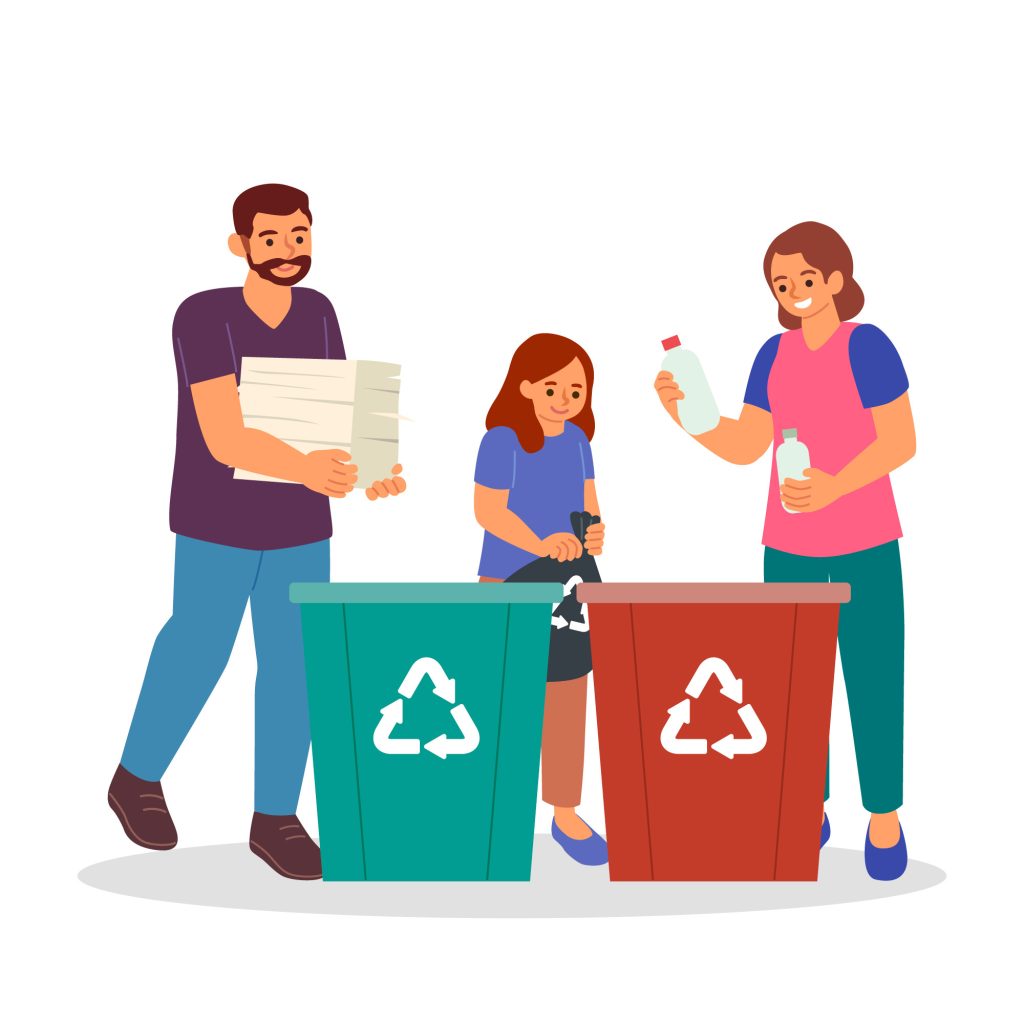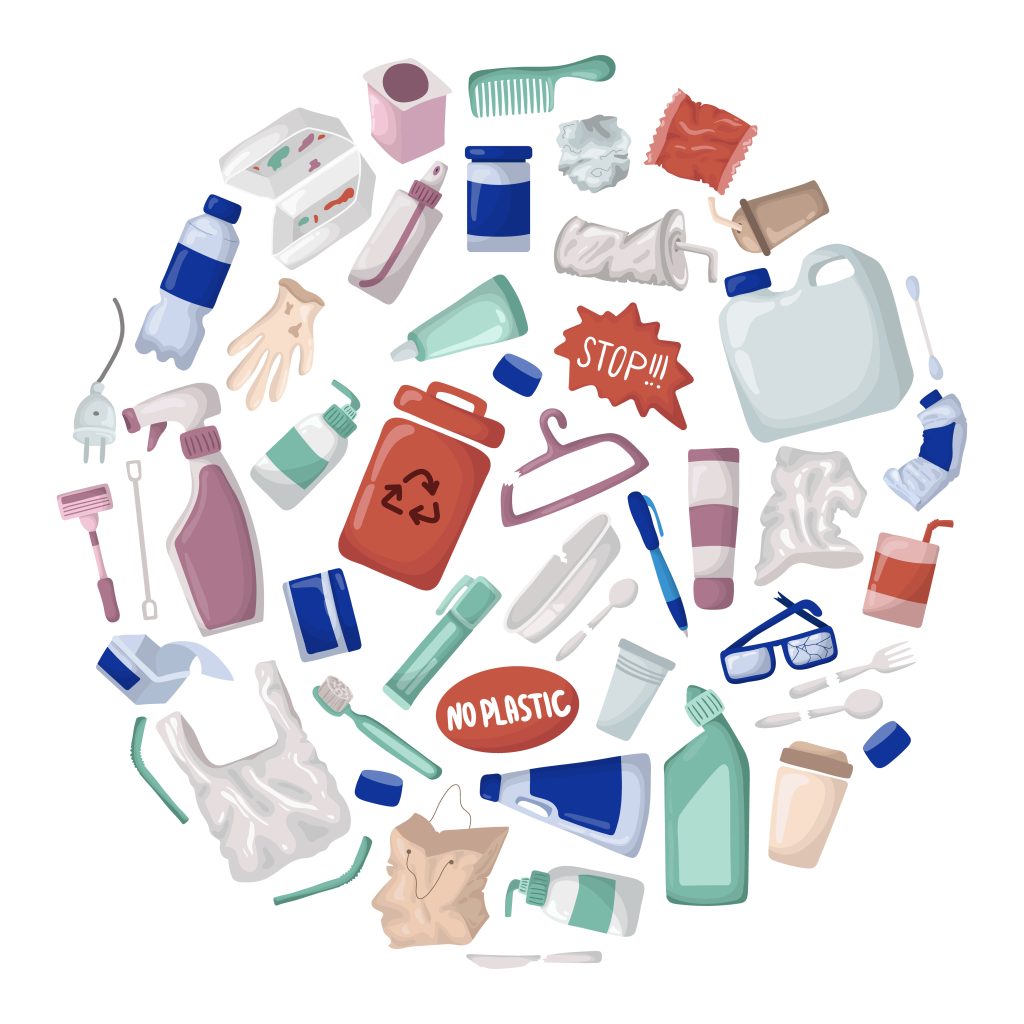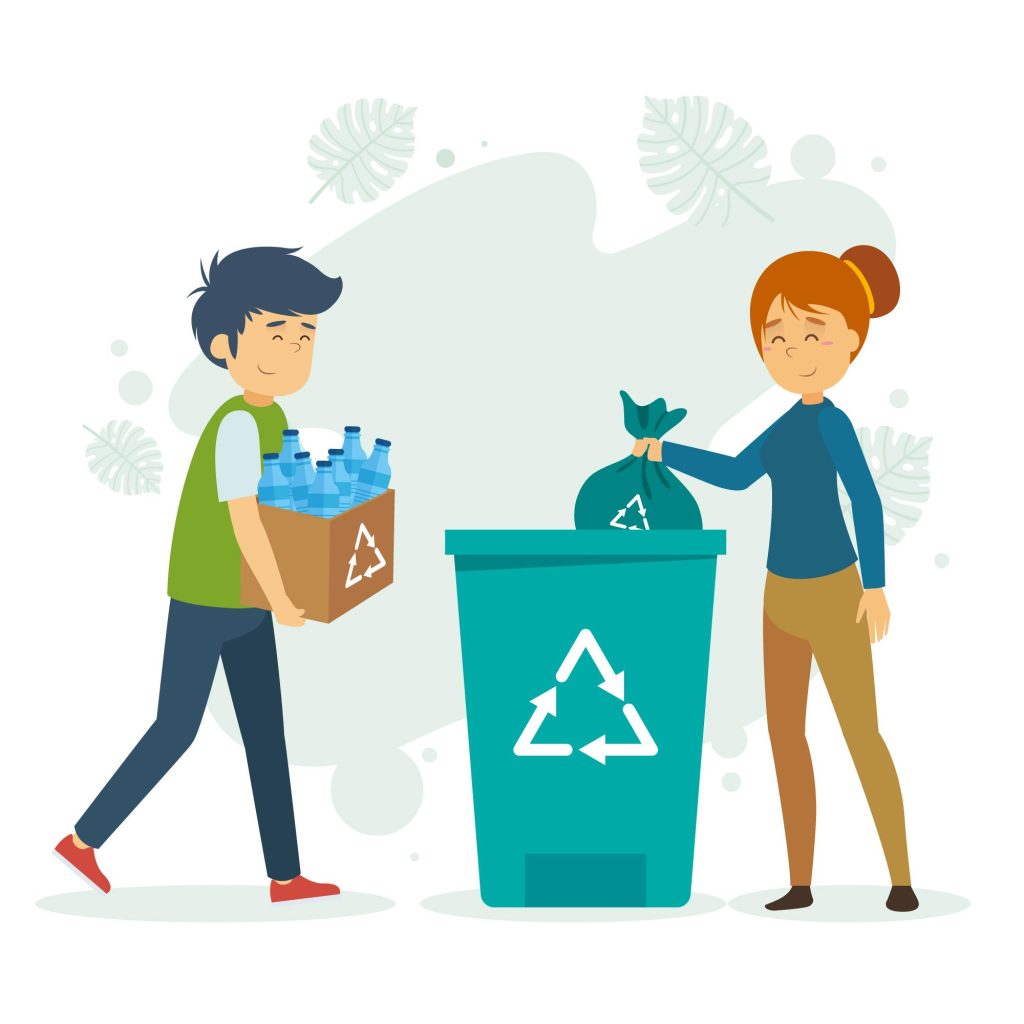
This list of over 100 tips on reducing waste is a practical guide to living plastic free. It is arranged so that you can start with the simplest swaps and work upwards. Nothing here needs special equipment; most of it is already sitting in your kitchen or your cupboard.
Start with the easiest swaps
Small refusals add up quickly. Every item you decline is an item that never has to be sorted, shipped or buried.
- Say no to straws in drinks and carry a reusable bottle instead of buying water.
- Replace paper tissues with cloth handkerchiefs you can wash and reuse.
- Choose loose bananas rather than fruit sealed in plastic, and prefer loose produce wherever the shop allows it.
- Say no thanks to free promotional items, which are usually made to be discarded.
- Get a library card and borrow books, films and games rather than buying new copies.
- Donate unused items to a secondhand market so they find a second owner.
- Swap plastic toothbrushes for bamboo ones with replaceable heads.
- Turn old sheets and towels into cloth bags, cleaning rags and covers.
Build a zero waste kit
A small kit that lives by the door removes the excuses. A cloth tote, a water bottle, a coffee cup and a set of cutlery covers most days out. Our guide to 15 methods to produce no waste walks through the same idea in more depth.
The kitchen and the weekly shop
- Buy food without packaging, or with as little as possible, at markets and refill shops.
- Make preserves and pickles so a glut of fruit or vegetables is not wasted.
- Use stale bread for croutons, breadcrumbs or a baked pudding instead of throwing it out.
- Store food properly to prolong its life, and keep a well stocked pantry so you buy less on impulse.
- Bring reusable bags and reusable fresh produce bags to the store.
- Learn to replant kitchen scraps such as spring onion ends and herb stems.
- Visit local fresh produce markets and buy seasonally.
- Avoid palm oil where you can, and check labels for it in processed foods.
- Choose activities over purchases when you want to treat yourself.
- Make masks and cleaning products from pantry staples such as oats, honey and vinegar.
Cleaning, laundry and the bathroom
- Use bar soap instead of liquid soap in a plastic pump.
- Try dry shampoo and homemade mouthwash to avoid packaged alternatives.
- Switch to cloth pads or a menstrual cup, and use cloth nappies for babies.
- Use real sponges or bamboo bath brushes instead of plastic loofahs.
- Make your own lotion in a reusable jar.
- Wash clothes only when they are actually dirty, and hang them to dry instead of using the dryer.
- Always fill the dishwasher or washing machine completely before running it.
- Use rechargeable batteries rather than disposables.
- Plant a small garden and use natural cleaning products to reduce pests.
Around the home and garden
- Replace light bulbs with LEDs and be sensible about how long devices stay switched on.
- Put on a sweater and socks before reaching for the heating.
- Turn off the tap while brushing your teeth.
- Open windows for fresh air instead of relying on packaged air fresheners.
- Get houseplants from a local nursery to help clean the air indoors.
- Compost food scraps and create a simple water recovery system for the garden.
- Buy locally made products and repair items when they break.
- Find a local seamstress or shoemaker for repairs rather than replacing goods.
- Use both sides of every sheet of paper.
Out and about
- Bring food from home instead of eating out every day.
- Reduce meat consumption and build more plant based meals into the week.
- Take public transport or carpool when you can.
- Join a community garden and organise clothing swaps with friends.
- Pick up litter when you are out walking.
- Dispose of gift cards, old phones, batteries and cables through proper collection points.
- Ask for plastic free or recycled packaging when ordering online.
- Sign up for paperless billing and put a no junk mail sticker on your mailbox.
- Swap tea bags for loose leaves.
- Trade and borrow instead of buying where possible.
Nobody does all of this at once, and nobody needs to. Choose the three items that are easiest for your household this week. When those feel automatic, come back and take three more.
Make it a habit
If you are new to this, our beginner’s tutorial on living without creating garbage is the gentlest place to begin. When you are ready to replace specific products, the catalogue in 50+ items to begin halting plastic pollution right now covers the kitchen, the bathroom, the office and the road.