Interest in recycling and reusing has grown, and paper is one of the easiest materials to keep in circulation. The catch is contamination. A single greasy box or a full drinks can can spoil an entire bale, so the way you prepare the bin matters as much as what you put in it.
Keep the bin clean
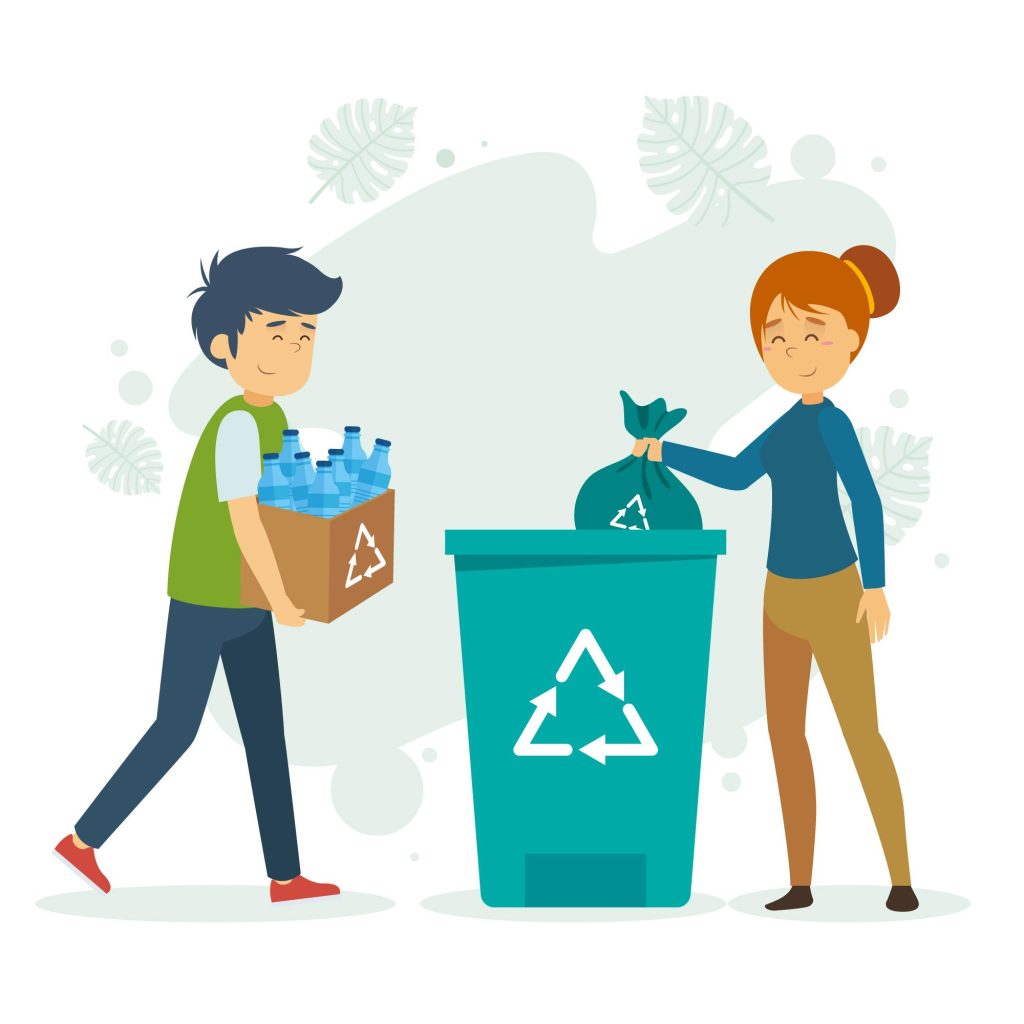
Make sure there is no contamination in the recycling bin. Cans and bottles must be empty of liquid, and food containers such as yogurt cups and sauce jars should be rinsed, so that food, alcohol and soda residue does not damage the bale.
Cardboard and boxes
Cardboard boxes have become far more common with the rise of online buying, and they are entirely recyclable. Disassemble them and keep them flat. Before recycling, it is worth finding a nearby company that accepts used boxes for shipping, because reusing a box is better than recycling it. Recycling is the last option, so keep resources flowing for as long as possible.
What recycles well
- Newspaper and newsprint, which is both recyclable and compostable.
- Pasta and cereal boxes, once flattened.
- Envelopes, with any plastic windows removed first.
- Shredded paper, which is excellent for packaging and for composting.
- Plain office paper used on both sides.
What should stay out
Several items look like paper but do not belong in the bin.
- Receipts, which are often printed on thermal paper and cannot be recycled.
- Photographs.
- Shiny paper such as magazines.
- Baking paper, butcher paper and wax paper. Wax paper is derived from petroleum and is neither biodegradable nor recyclable.
- Freezer paper or butcher paper covered with plastic, which is not compostable or recyclable.
- Coffee cups, which are plastic coated, and which most facilities cannot recycle or compost.
- Milk and soy cartons, made from a mixture of materials, where the clean point varies from site to site.
- Pizza boxes with heavy grease and food residue.
A doubtful item in the paper bin can send a whole load to landfill. If you are unsure, check with your local facility before you add it.
Compost what paper cannot be recycled
Paper napkins can be composted, although their fibres are too short to recycle well. Soiled paper that is free of plastic can often go into a home compost instead of the bin. Our guide to 15 methods to produce no waste explains how composting fits alongside recycling.
For the other materials that pass through a household, see proper electronic waste recycling techniques and the broader habits in over a hundred easy strategies to prevent waste production.