Plastic pollution is a widespread issue. Only 9 percent of all plastic ever manufactured has been recycled, and 12 percent has been incinerated. One million seabirds and 100,000 marine mammals die each year because of plastic pollution. Nearly 93 percent of people tested positive for BPA, a potentially harmful chemical found in plastic products.
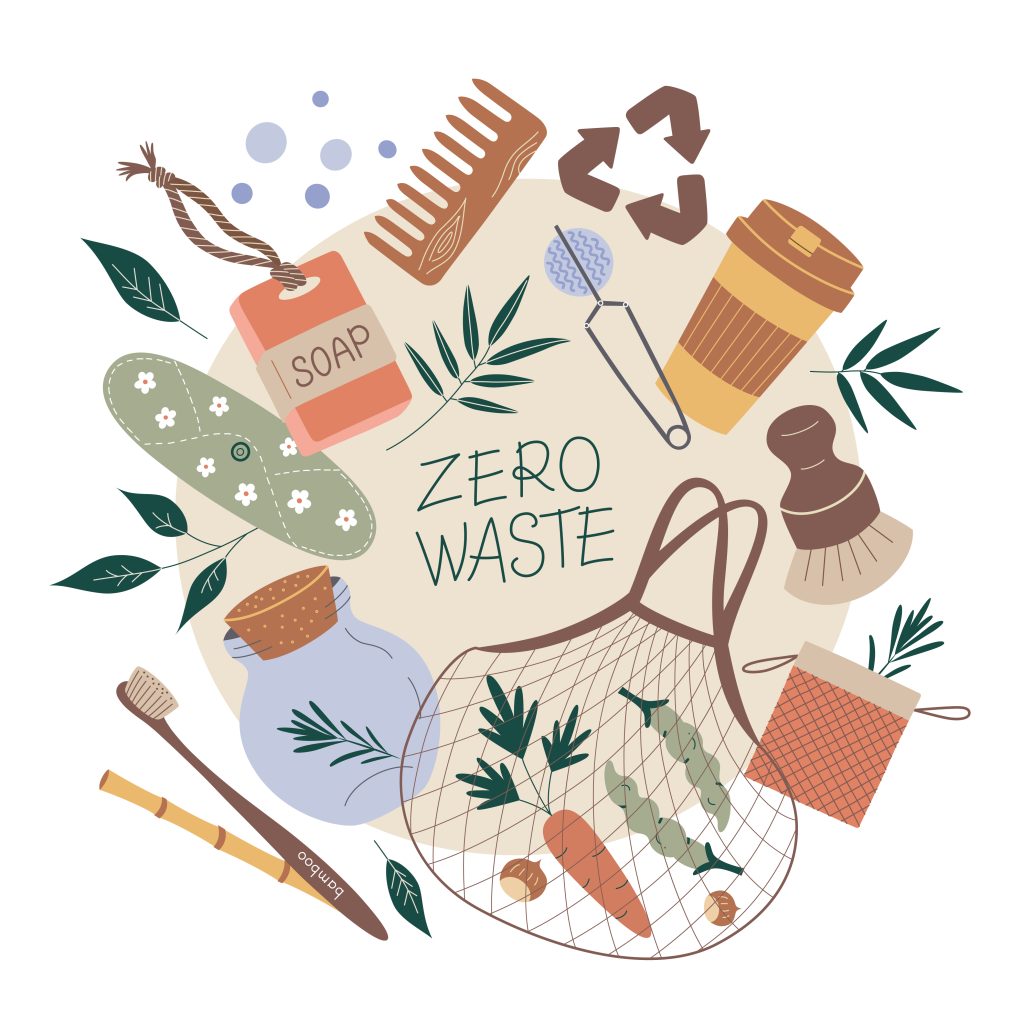
To combat plastic pollution, it helps to lead by example and to make sure the products we choose are produced ethically and with environmental considerations. This catalogue gathers more than fifty swaps that quietly remove single use plastic from daily life.
Clothing and drinkware
- Clothing made from recycled fabric.
- Wool footwear that can be repaired and resoled.
- A reusable coffee cup, made of 100 percent food grade silicone, sized to fit standard coffee machines.
- Stainless steel bottles that are 100 percent BPA free, with replaceable caps and sleeves. Bottle covers in premium neoprene are available, and bottle cords are made from high quality stainless steel.
By bringing these into daily use, you can virtually eliminate single use plastics from your routine and share the change with friends and family.
For restaurants
- Recycled toilet paper and recycled paper tablecloths.
- Reusable mats and rugs.
- Items made with 100 percent recycled materials such as bamboo or sugarcane fibre.
For the home
- Biodegradable garbage bags, certified under Australian, European, American and Japanese standards, that break down into undetectable particles and are worm safe without leaving microplastic residue.
- Reusable snack wraps and recycled mats.
- Organic cotton towels.
- Pens made from recycled water bottles.
- Fair trade organic bedding and recycled paper.
- Sustainable decking for outdoor spaces.
- Recycled aluminium foil, which uses 95 percent less energy than conventional foil.
- Toothbrushes with recycled handles, which cut plastic waste by 93 percent.
- Reusable baby food pouches as an alternative to disposable containers.
Technology and lighting
- Touch screen computers with a 70 percent smaller carbon footprint than standard screens, recognised with the EU Flower Ecolabel.
- An eco friendly laptop from Iameco that reduces greenhouse gas emissions by 30 percent, reuses 70 percent of its material and cuts water use by 75 percent.
- Eco computer accessories made with sustainable materials.
- Toys made from recycled milk cartons, complying with US and EU rules on BPA and phthalates.
- LED bulbs, which save energy compared with incandescent, fluorescent and halogen bulbs.
- Low pressure shower heads to reduce hot water use.
Old devices still need a proper ending, and the route in proper electronic waste recycling techniques makes sure they do not become landfill.
On the go
- Compostable cutlery, such as forks, spoons, knives and teaspoons made from plant material.
- Rechargeable hand crank flashlights that run on rechargeable batteries.
- Compostable party plates and bowls.
- The BRELLI umbrella, a durable and biodegradable design for rain protection.
- Travel toiletry bags made from recycled bicycle inner tubes.
- Bamboo solar Bluetooth speakers and portable chargers that plant trees for every product sold.
- Phone cases made from natural fibres.
- Solar products such as the SolSource solar powered grill, a solar lawn mower, solar charging stations and solar fans.
Bags and storage
- Reusable bags for fruit and vegetables that let water and air pass through, so they wash and store easily.
- Reusable bread bags that keep bread in a frost free freezer for up to three months without plastic.
- Repurposed billboard vinyl wallets.
- Bags woven from industrial plastic waste, collected with fishing communities, into unique handbags and accessories.
- Eco friendly jewellery and accessories, including rPET backpacks, wooden clocks made from recycled wood, wooden sunglasses and rings made from recycled precious metals.
These items come in a range of sizes and are made from renewable plants free of GMOs and plastic additives.
Every swap here works best when it replaces something you would otherwise buy repeatedly. A durable item used for years beats a disposable one used once, every time.
If you want the reasoning behind these choices, start with the ultimate guide to live without plastic, and for the kitchen and weekly shop see over a hundred easy strategies to prevent waste production.