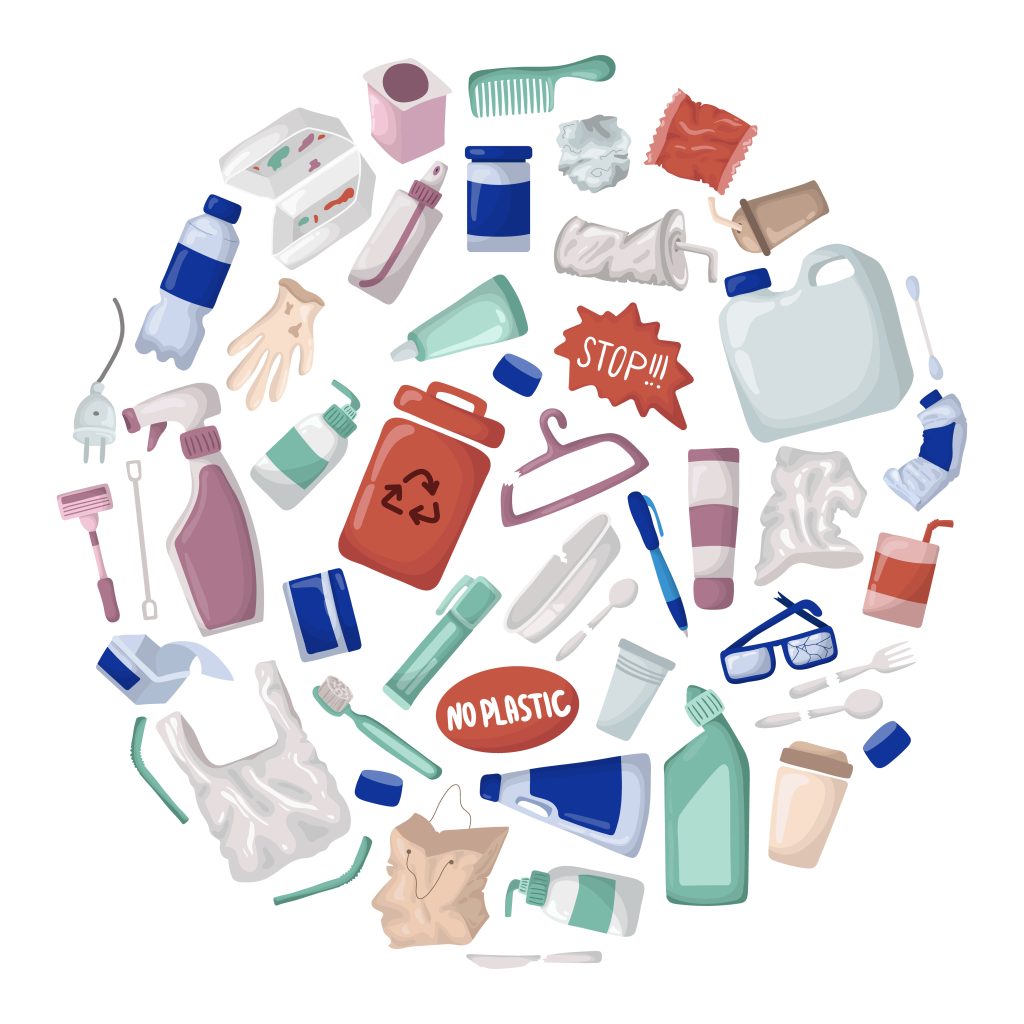
Plastic is a harmful material. It pollutes the oceans, harms wildlife and remains in landfill for decades. Companies that manufacture it are the main culprits, because plastic is cheap, affordable and easy to mould. Moving to a plastic free life can be challenging, but there are many inspiring examples to follow.
People who have done it
Erin Rhoads, known as The Rogue Ginger, has been living plastic free since July 2013, finding alternatives for shopping, cooking, makeup, fashion and travel without creating waste.
Beth Terry rethought her consumer habits after seeing a bird’s body filled with plastic, and has since run a popular blog about living plastic free.
Lindsay Miles began her plastic free journey during Plastic Free July, and accelerated the shift after watching the documentary Bag It. She started observing how other people lived plastic free and connected with them to reach zero waste and minimalism.
Why it is worth it
Living with less plastic is difficult, but it is rewarding for both people and the planet. It sets an example for others, inspires them to make the change, and often increases health and vitality because it involves fresher food and less processed food.
People may pressure you to buy plastic products, but sticking to your choice eventually earns respect. The best part is that it creates a better future for the next generations, as more people decide to make the same change.
Starting entirely plastic free immediately can backfire. Begin with the easiest items to replace, then increase your efforts step by step.
The first ten steps
- Use reusable bags when shopping.
- Identify which products you buy actually contain plastic.
- Choose the three easiest products to replace first.
- Write down your reasons for switching and keep them visible.
- Carry a reusable coffee cup and bottle.
- Eliminate frozen meals.
- Take a walk through the fresh produce market.
- Switch to soap bars.
- Join a community of like minded people.
- Compare the cost of alternatives with what you used to buy, and look for discounts online.
Food and shopping
Shop with reusable bags, buy non perishable goods in bulk, and choose locally baked bread. Buy milk in returnable glass bottles, shop at fresh produce markets, and buy beer and wine in bottles or refillable containers with natural cork. Grow your own produce where you can, and bring your own container when buying meat or cheese.
Cleaning and the kitchen
Compost food waste, clean the bathroom with clove oil, and clean surfaces with water and vinegar. Use a brush with a wooden handle and compostable bristles for dishes, and buy dishwashing liquid and laundry detergent in bulk. A mop with a metal handle and bucket replaces a plastic one. In the kitchen, swap plastic coolers for stainless steel, use a blender with a glass jar, and store food in glass or stainless steel containers.
The bathroom
Use bar soap instead of soap in plastic containers, and a wooden hairbrush instead of a plastic one. Choose compostable tissues and toilet paper, and try soap bars, rye flour or baking soda as shampoo. Buy plastic free toothpaste and sunscreen, use bamboo toothbrushes with recyclable heads and eco friendly dental floss, and hydrate with almond oil. A razor with removable blades, a baking soda based deodorant, and reusable pads, nappies or a menstrual cup cover the rest.
Electronics and furniture
Do not buy new CDs and DVDs when you can stream music, programmes, films and games online, and buy used electronics whenever possible. For furniture, buy secondhand pieces without plastic, collect waste using newspaper, use glass or stainless steel bowls, and choose toys and furniture made from natural materials. Buy pet food in bulk and use natural litter. When electronics do reach the end of their life, follow the route in proper electronic waste recycling techniques.
Spreading the change
Share your change with friends and family, join a local community, share articles on social media, and start your own group, online or in person. Staying informed about environmental issues keeps the momentum going. The catalogue in 50+ items to begin halting plastic pollution right now covers the products, and over a hundred easy strategies to prevent waste production covers the daily habits.