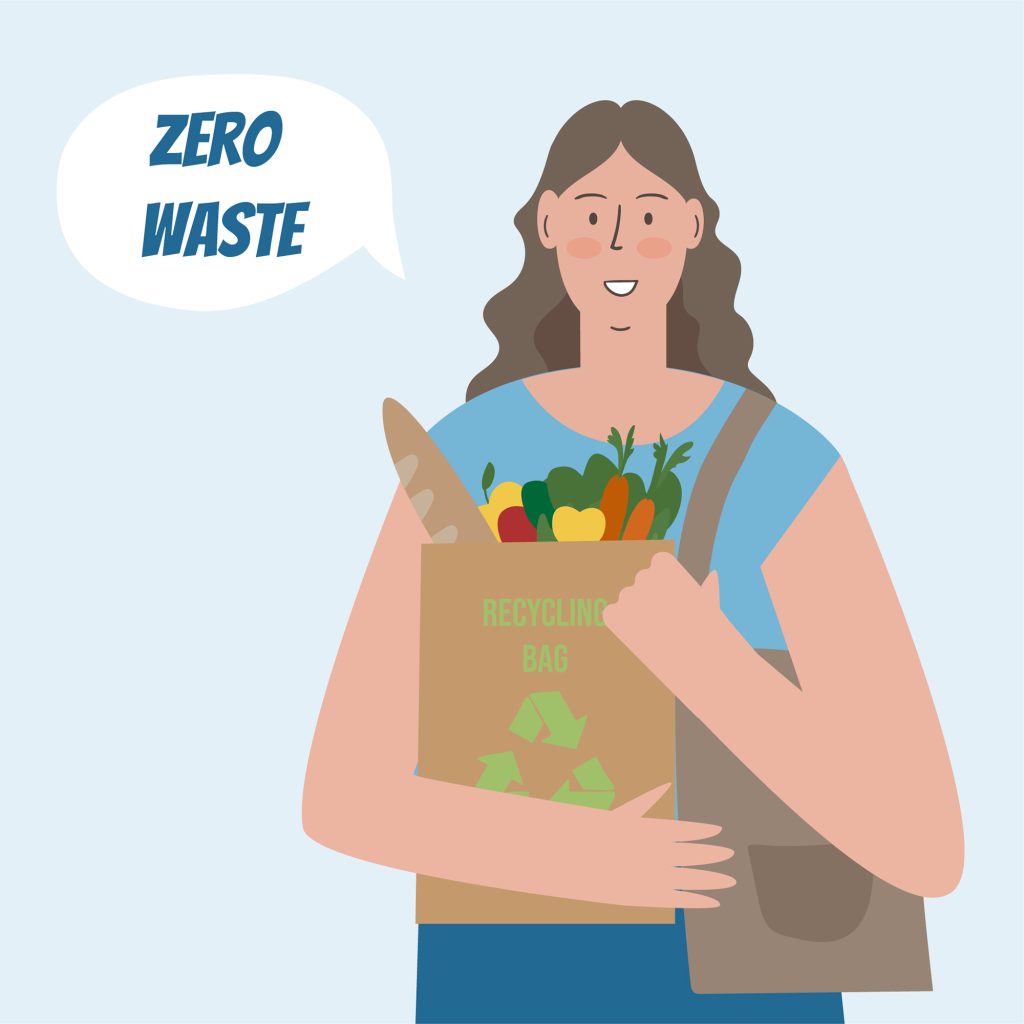
This guide gives ten tips to help you start your journey to zero waste. None of them demands money, special equipment or a perfect cupboard. They simply help you see where your rubbish comes from and take the first bite out of it.
1. Write your why
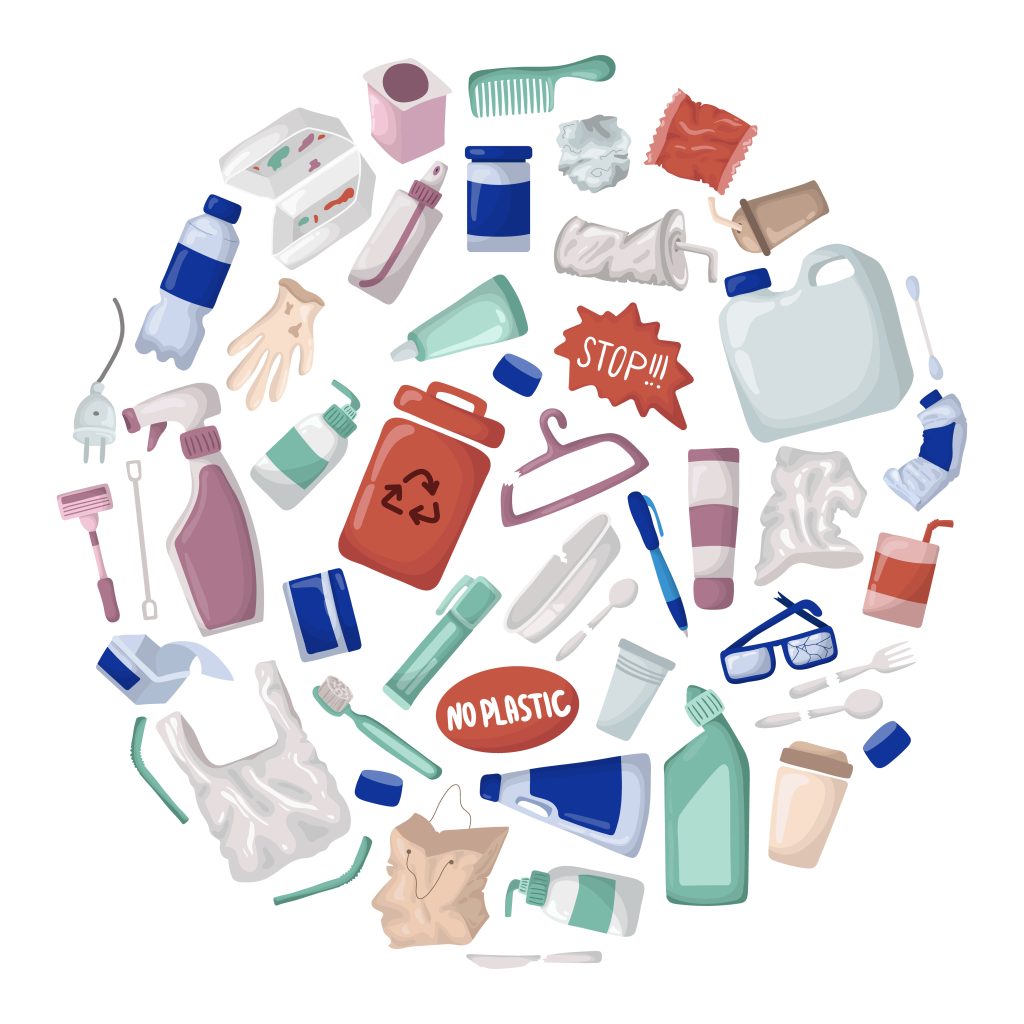
Start by writing down your reason. The first practical step is to focus on eliminating disposable items, and it is much easier to keep going when you can see your own motivation on paper. A simple bin audit, emptying one week of rubbish onto a sheet and sorting it, shows exactly which disposables dominate.
2. Use what you already have
You do not need to buy a zero waste starter kit. Empty glass jars, an old shirt turned into cloths, and reusable cutlery you already own will carry you through the first month. Use the tools sitting in your kitchen before you buy anything new.
3. Look to secondhand first
Look for thrift stores and reuse shops that give waste a second life as a new product. Buying secondhand keeps goods in circulation and costs less than buying new.
4. Do not buy on impulse
Impulse buying leads to overconsumption and waste. A short pause before any unplanned purchase, even an evening, removes most of it.
5. Learn to make your own
Most hygiene products, makeup and processed foods arrive wrapped in plastic. Learning to make a few of them at home, such as a simple cleaning spray or a batch of snacks, removes that packaging at the source.
6. Cook real meals
A home cooked meal, made from loose ingredients, produces far less waste than a ready meal in a tray. This single habit often shrinks a household bin more than any other.
7. Join your community
Get involved locally by supporting local businesses, participating in local events and organising cleanups. Community effort makes the change visible and keeps it going. Our notes on over a hundred easy strategies to prevent waste production include many community sized ideas.
8. Find a support group
Find a group, online or in person, where you can discuss zero waste living and engage with others. Sharing the awkward moments with people doing the same thing makes the whole project easier.
9. Appreciate what you own
Develop a relationship with your belongings and buy products made to last. When something breaks, take it in for repair or find another use for it rather than replacing it.
10. Start composting
Start composting by putting leftover food in jars and freezing them until you can process them. If you have a garden, a rotary drum creates dense, nutrient rich compost from kitchen scraps and garden clippings.
If you are just starting, share this guide with friends and family and show them how easy it is to begin. A habit shared is a habit that survives.
Ready to go further? The 15 methods to produce no waste will carry you through the second month, and the swaps in 50+ items to begin halting plastic pollution right now handle the products.